
From May 17 to 22, the ZIBS Global Leaders Series: Global Competency Workshop IV successfully concluded. Centered on the keywords of connection, practice, and consensus, the workshop brought together several members of the ZIBS International Advisory Board (IAB) and ZIBSers for face-to-face exchanges on topics including the global financial landscape, international commodity trade, cross-border financial services, and advanced workplace communication. Through discussions on real-world issues, students gained a deeper understanding of shifts in global markets while broadening their international outlook and career awareness.
The workshop featured a variety of formats, including roundtable discussions, project roadshows, and high-level networking simulations. Drawing on their academic knowledge and learning experiences, students actively raised questions to IAB members and deepened their understanding of global finance, international trade, cross-cultural communication, and related topics through face-to-face exchanges.
Connecting the Globe:Building Collaborative Bridges for Cross-Border Finance
Greg Guyett, Vice Chair, Client Solutions Group, European Bank for Reconstruction and Development (EBRD), shared his insights on the evolving global financial landscape. He noted that the U.S. dollar is likely to maintain its dominant position in the short term, while currency diversification and reforms in cross-border payment systems are gradually gaining momentum. Emerging payment tools such as central bank digital currencies and blockchain are becoming important areas of exploration for countries seeking to manage risks.
He also pointed out that demographic shifts, fiscal pressures, the energy transition, and geopolitical security concerns are profoundly reshaping global capital flows. Despite the complexity of the external environment, globalization remains vibrant. Countries are increasingly leveraging China's cost and technological advantages to explore new models of industrial development that combine technological cooperation with local implementation.
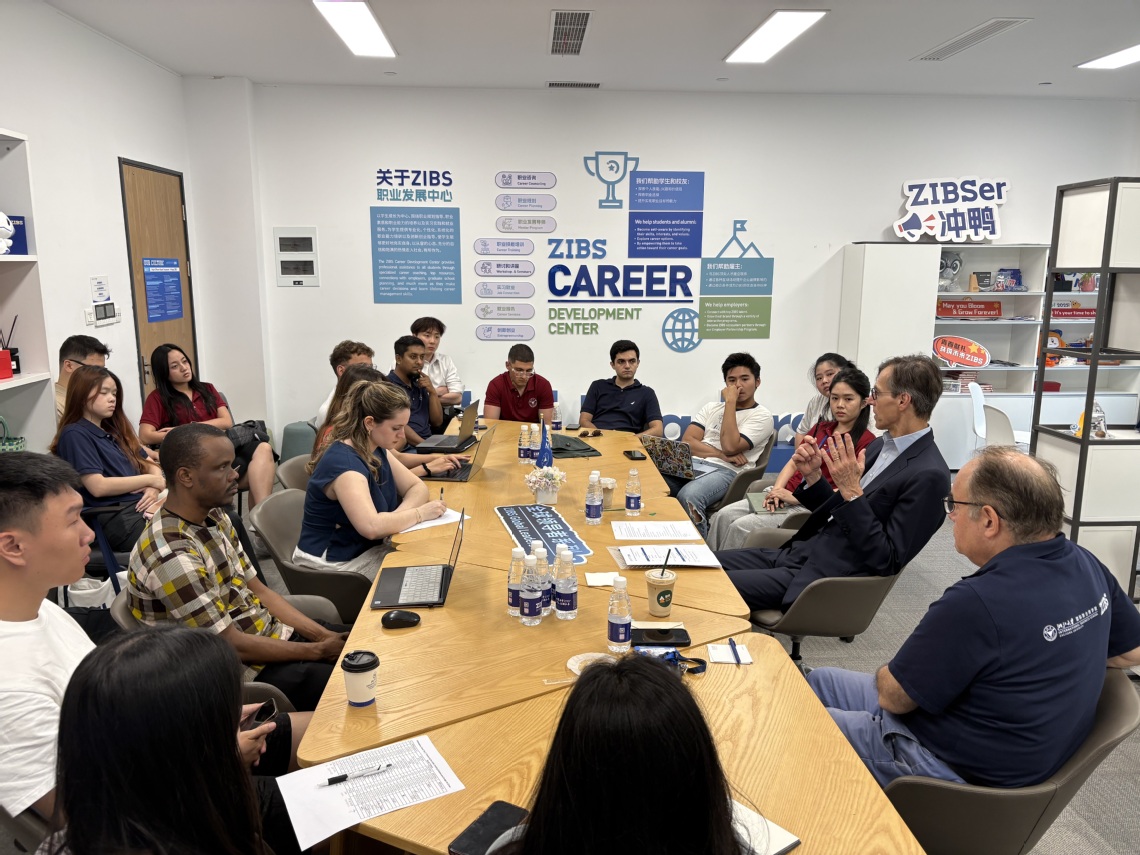
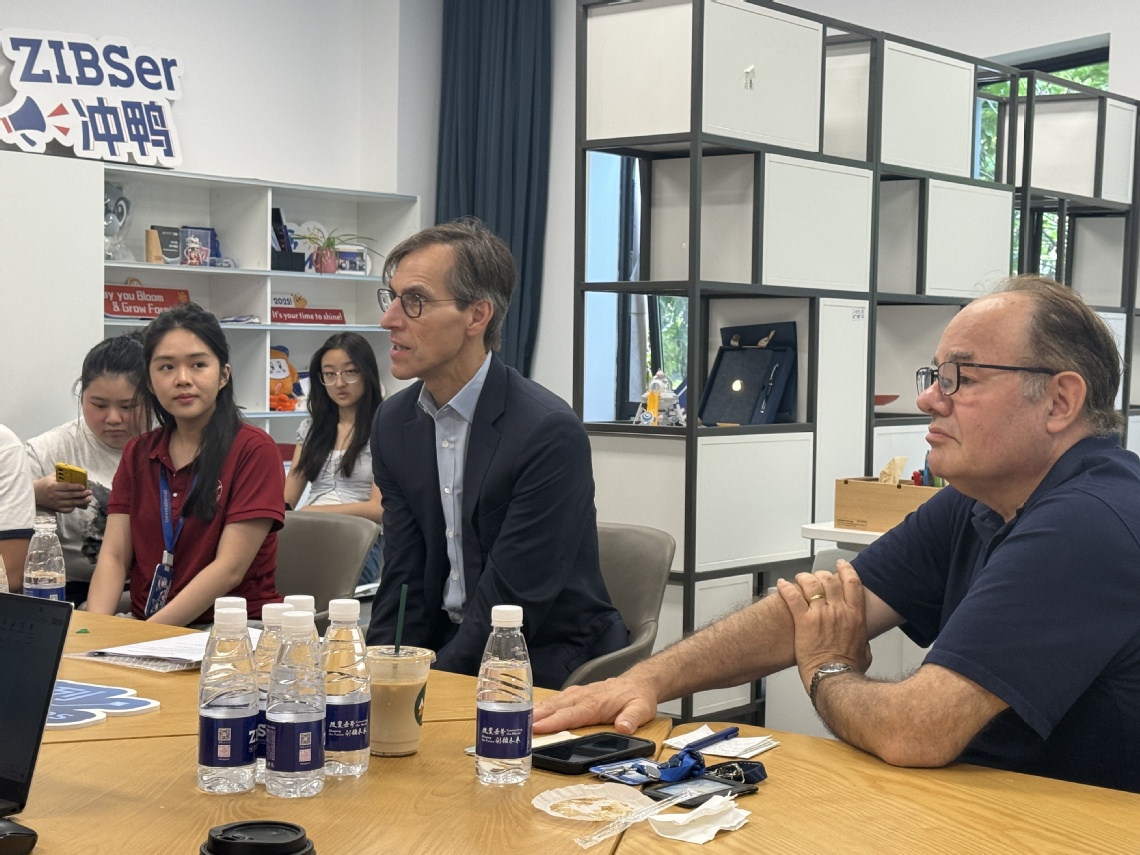
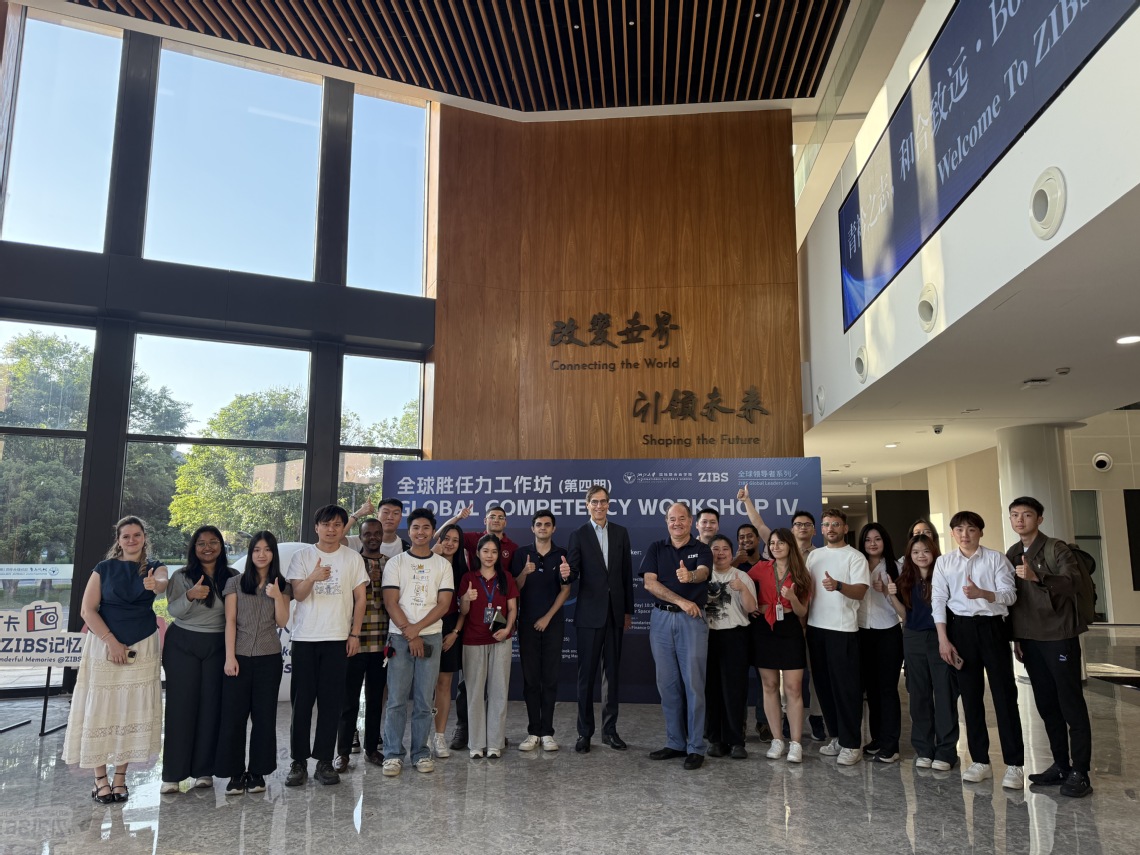
Greg Guyett noted that today's global business environment requires not only technical expertise, but also adaptability, communication skills, and a strong sense of collaboration. His insights also helped me better understand the interconnections among different cultures, industries, and markets.
Greg Guyett's sharing helped me realize that behind every cross-border transaction lies a complex interplay of professional networks, institutions, and real-world considerations. It also made me aware that success in cross-border finance requires not only rigorous analytical skills, but also cross-cultural competence and geopolitical awareness.
Redefining Boundaries:The New Ecosystem of Industrial Finance Driven by Technology
Against the backdrop of an accelerating restructuring of the international trade system, Sergio Rial, Lead Independent Director of multiple major publicly listed companies, drew on the characteristics of commodity trading to analyze how AI is enhancing decision-making efficiency and operational quality in the sector through supply and demand forecasting, risk management, cross-border logistics optimization, and agricultural technology empowerment. These developments are driving the transformation of traditional trade toward greater intelligence and precision.
During the exchange session, Sergio further discussed the potential of African markets in food, minerals, and the digital economy. Drawing on the operations and logistics networks of leading commodity traders, he also emphasized the importance of maintaining independent control over shipping routes to ensure trade security.
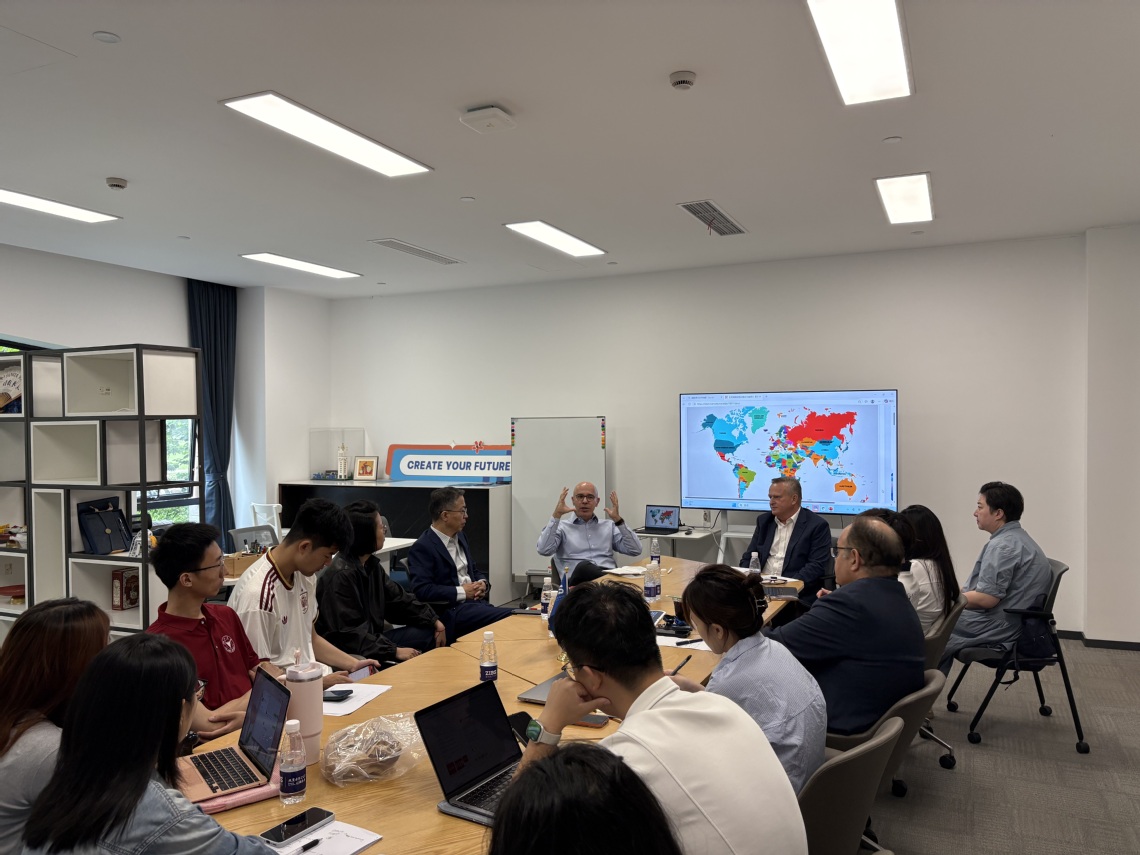
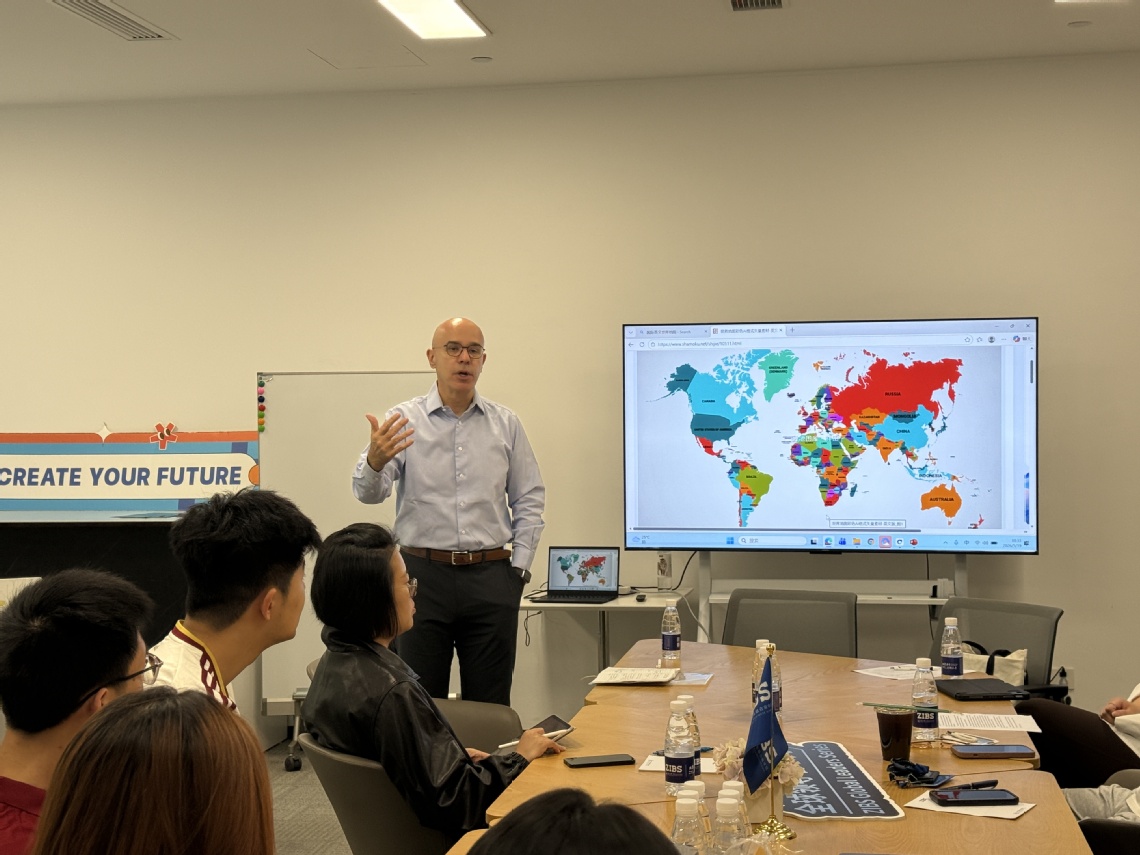
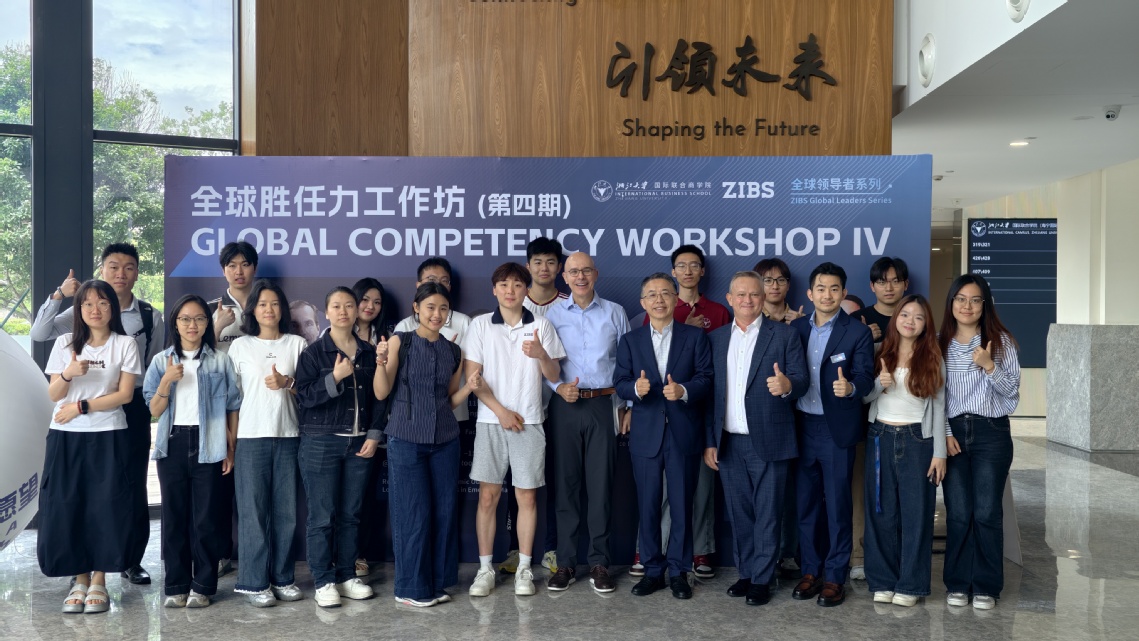
Using the world map as a guide, Sergio vividly explained the major commodity-producing countries, trade flows, and supply-demand dynamics, while also discussing the potential impact of AI development on international commodity trading. The workshop was highly informative and interactive, broadening my understanding of the global trade landscape and further enhancing my global perspective. (Translated from Chinese)
AI is not merely a technological tool; it is profoundly reshaping energy, commodities, and global supply chains. It also helped me realize that technological advancement is, in essence, a collaborative transformation of resources, industries, and people. When looking toward the future, we should not focus only on technology itself, but also develop a deeper understanding of the global landscape behind it.(Translated from Chinese)
Resilient Growth:Economic Outlook and Long-term Opportunities in Emerging Markets
Yaseen Anwar, former Governor of the State Bank of Pakistan (SBP), shared his insights on the global economic landscape. He noted that uncertainty has become a long-term reality in the global economy, while the world economic order is moving increasingly toward multipolarity. Amid industrial restructuring and rising geopolitical risks, emerging markets need to strengthen economic resilience through structural optimization and regional coordination.
During the in-depth dialogue session, he exchanged views with students on topics including emerging markets, artificial intelligence and fintech, and youth career development. He encouraged students to understand change and plan for the future from a long-term perspective.
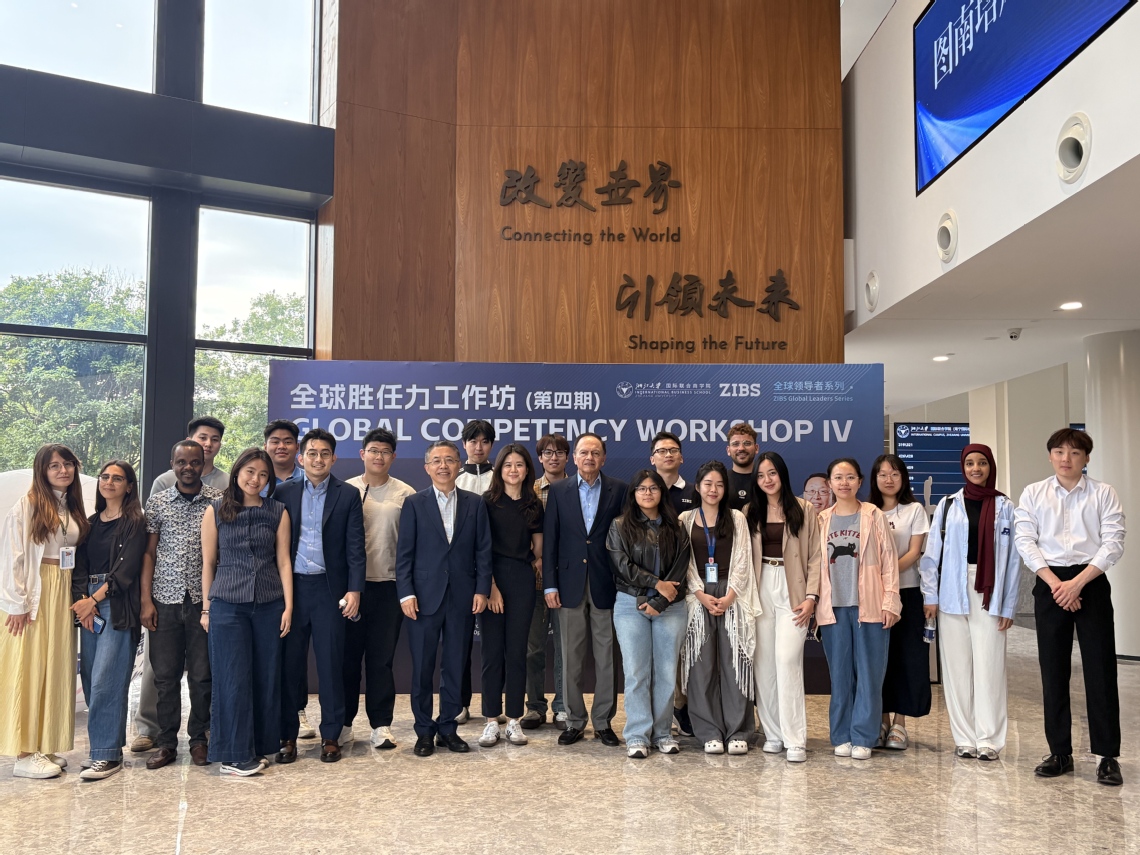
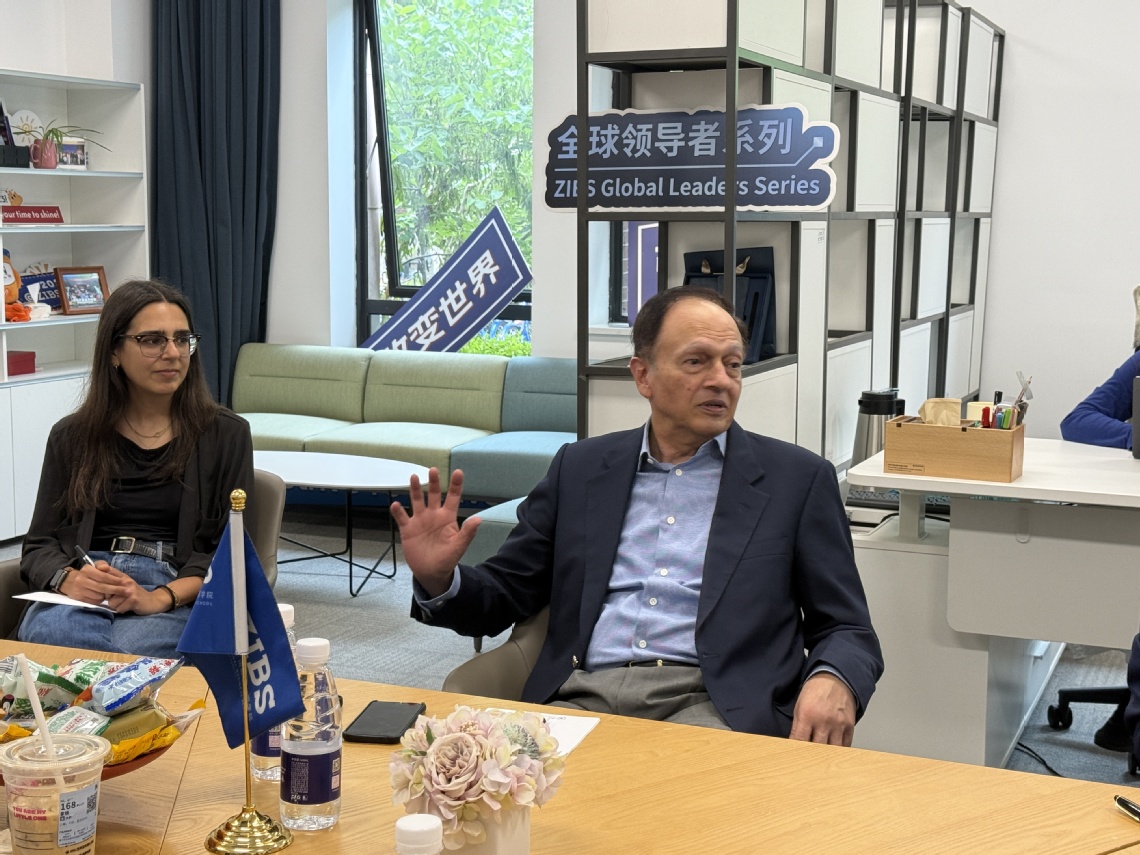
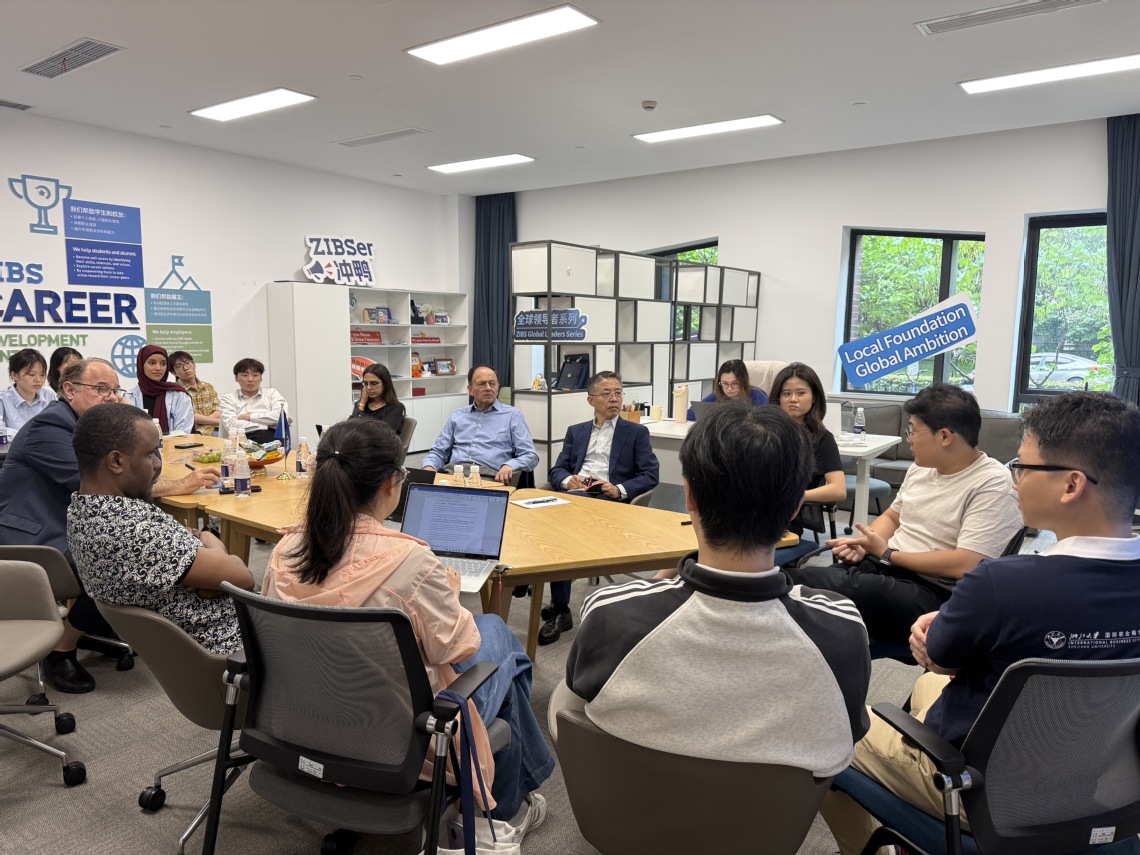
This exchange gave me a deeper understanding of the development of financial digital infrastructure in emerging South Asian markets, represented by India and Pakistan. I also benefited greatly from Yaseen's valuable advice on personal growth.
Yaseen offered key insights on career choices, encouraging us to take corporate culture into consideration when making career decisions and to ensure that our personal values align with an organization’s philosophy. He also reminded us not to rush into conclusions about our career paths, but to plan carefully through continuous observation, reflection, and learning. (Translated from Chinese)
Hands-on Practice:From Global Standard-Setting to Advanced Cross-Cultural Networking
At the session Insights from the Frontline: Cross-border Financial Solutions Roadshow and Observation, HUA Jingdong, Vice-Chair of the International Sustainability Standards Board (ISSB), joined as a special guest and shared his perspectives on topics such as the efficiency of RMB fund repatriation for cross-border enterprises, foreign exchange costs, and the role of financial products in supporting Chinese companies' overseas expansion.
At the following day's roundtable, The Art of Consensus: From Global Rules to Advanced Cross-Cultural Networking, he drew on his own experiences to encourage students to stay open-minded, speak up, and embrace trial and error, so as to seize opportunities for growth through real-world communication. He also shared practical workplace networking tips, including how to introduce oneself in formal settings and seek advice from senior professionals, offering students concrete guidance on enhancing their cross-cultural communication skills.
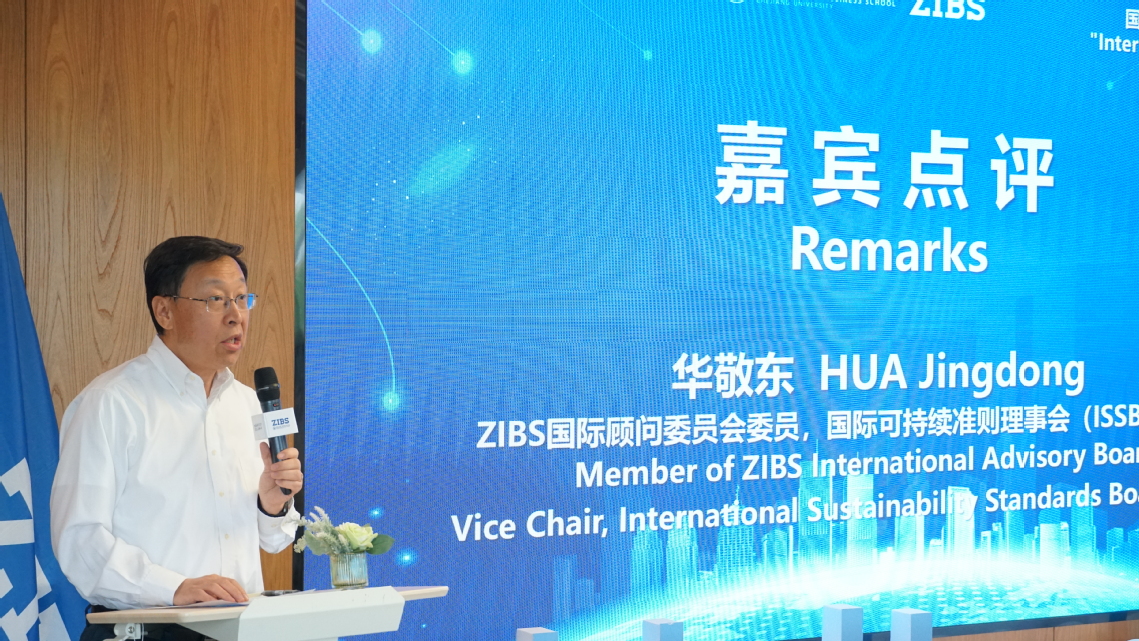
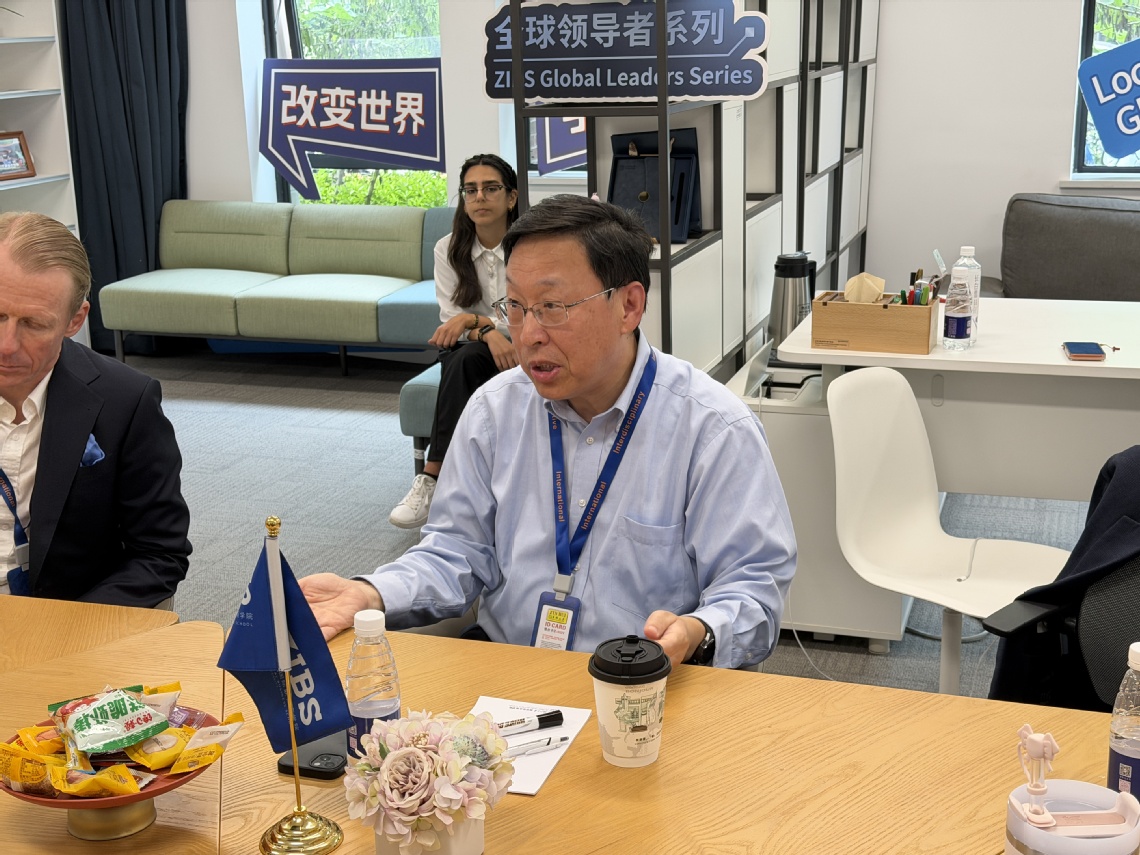
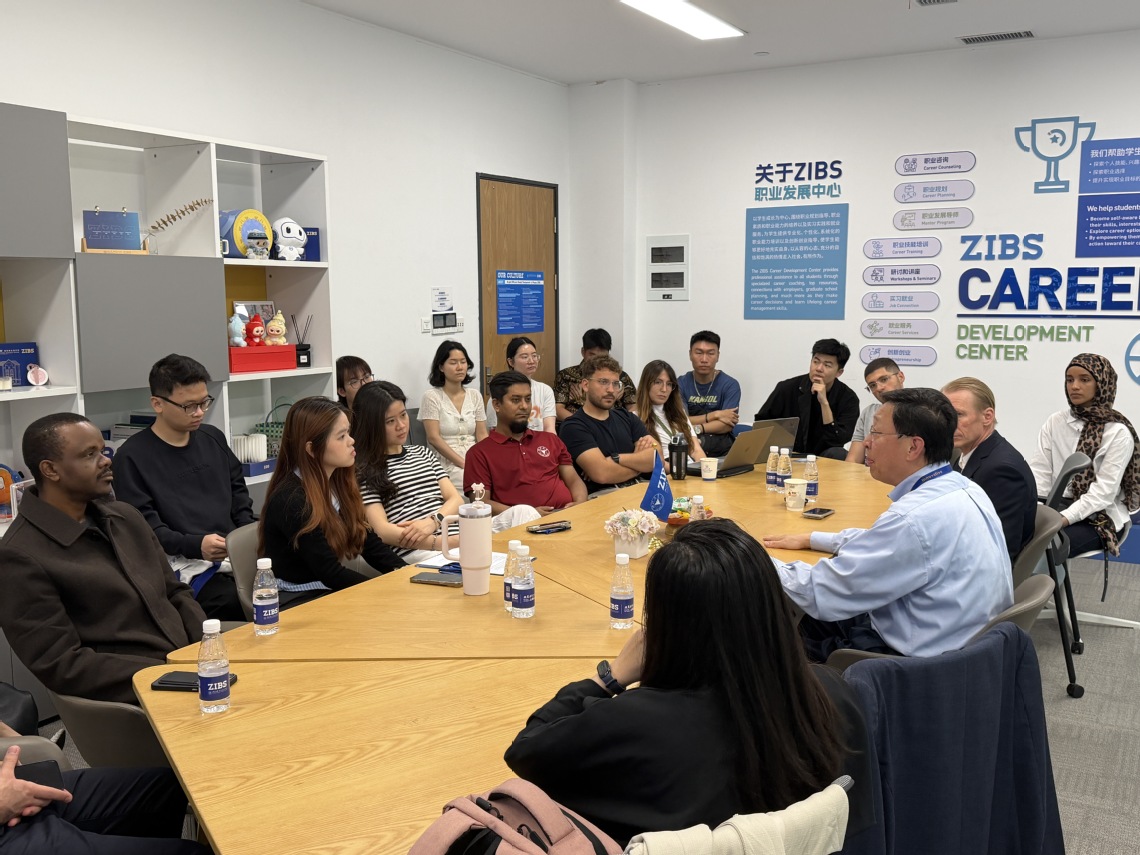
HUA Jingdong sincerely shared his personal experiences with us, reminding us to take the initiative in seizing opportunities and to present ourselves with confidence. He encouraged us not to be afraid of setbacks, but to broaden our horizons and communicate, interact, and collaborate with people from different backgrounds.
Through his personal experiences, HUA Jingdong showed us the long-term value of treating others with respect and sincerity in one's career. His sharing also helped me realize that continuous learning, adaptability, and strong interpersonal skills can often open up unexpected opportunities..
This session of the Global Competency Workshop focused on real-world issues such as global finance, international trade, emerging markets, and cross-cultural communication, guiding ZIBSers to enhance their ability to understand complex issues through dialogue and exchange. Looking ahead, ZIBS will continue to build on its positioning as an innovation-driven and globally oriented business school, connecting students with high-level global resources and expanding open, diverse, and forward-looking learning scenarios. Through these efforts, ZIBS aims to help young talents sharpen their judgment, communication skills, and cross-cultural leadership amid global changes.